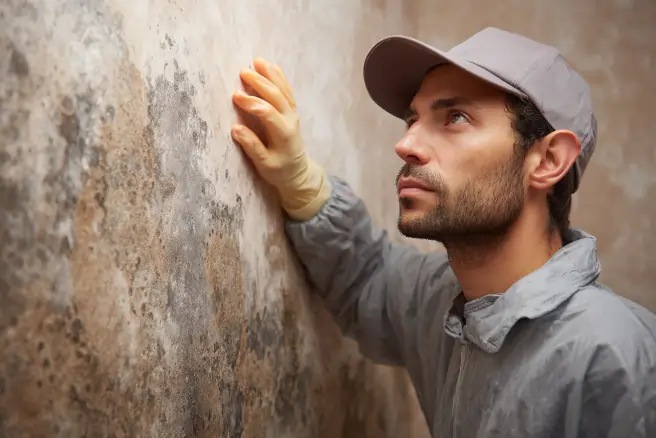
Person Hand Cleaning Moldy Wall stock photo

Many use these terms interchangeably, but they represent different processes in addressing mold issues. Below is a detailed explanation of these two concepts and why knowing their differences matters.

Mold removal focuses on physically eliminating visible mold from surfaces. This process typically involves cleaning, scrubbing, or wiping away mold growth using specialized products. It is often a temporary solution that does not address the root cause of the issue.
Visible cleanup only: Removes surface-level contamination but does not penetrate deeper into materials like walls or flooring.
Use of cleaning agents: Involves the use of commercial or homemade cleaning solutions to target visible colonies.
Short-term effectiveness: Since it addresses only what can be seen, regrowth may occur if underlying conditions are not resolved.

What is Mold Remediation?

Steps involved in mold remediation typically include:
Inspection and Assessment:2.Containment:Air Filtration:Removal:5.Addressing Moisture Causes:6.Post-Remediation Testing:Ensuring all traces of mold have been removed for safety and health purposes.

Aspect Mold Removal Mold Remediation
Focus Surface-level cleanup Comprehensive treatment
Long-Term Solution No Yes
Addresses Root Cause No Yes
Professional Involvement Not always required Often requires certified experts

Why Understanding This Matters

Treating a significant mold problem requires more than just surface cleaning; leaving the root causes unaddressed can lead to recurring issues that affect indoor air quality and property integrity over time.

Understanding these key differences ensures you can make informed decisions about managing mold effectively—protecting both your health and property for years to come.

However, this process typically does not address the underlying causes of mold growth, such as moisture or humidity.

Key points about mold removal: – Targets visible surface-level mold. – May only provide a short-term solution if underlying causes are not addressed.

Wiping down surfaces with antimicrobial cleaners. 2. Vacuuming with HEPA filters to remove spores. Applying specialized cleaning agents to kill surface-level fungi.

What is Mold Remediation?

It is a comprehensive process that includes identifying moisture sources, repairing damages, and restoring indoor environments to prevent future outbreaks.

Inspection and Assessment2.ContainmentRemoval: Eliminating both visible molds and airborne spores through advanced techniques.Cleaning: Deep-cleaning all surfaces using antifungal or antimicrobial treatments. 5.Repair & Prevention

Aspect Mold Removal Mold Remediation
Scope Focuses on surface-level cleaning Comprehensive approach including root cause mitigation
Longevity Temporary solution Long-term prevention plan
Techniques Basic cleaning methods Advanced techniques paired with repair work
Objective Eliminate visible signs of mold Restore healthy indoor environments

Why Understanding This Difference Matters

Failing to address mold at its source can lead to recurring infestations, increased health risks, and potential structural damage over time. While basic removal may seem like a cost-effective option initially, it often results in higher expenses due to repeated outbreaks.

Professional remediation services ensure that all aspects of a home or building’s health are evaluated—this includes air quality testing, water damage assessment, and humidity control measures—all aimed at achieving sustainable results.

When dealing with significant infestations or frequent returns of visible molds despite cleaning efforts, opting for professional remediation ensures an effective resolution tailored to your specific needs while safeguarding long-term indoor air quality standards.

Knowing the difference can help in selecting the right professional services and ensuring the problem is effectively handled.

Mold removal involves physically eliminating visible mold from surfaces.

  • Surface Cleaning:Using specialized cleaning agents or detergents to wipe away visible mold colonies.
  • Disinfection:Applying antimicrobial solutions to prevent regrowth on treated surfaces.
  • Temporary Fix:Removing visible mold without addressing underlying causes like moisture or humidity.

While mold removal can provide immediate aesthetic improvements, it does not always address the root cause of why mold formed in the first place.

What is Mold Remediation?

  1. Testing moisture levels in surrounding materials.
  2. Assessing air quality for hidden spores.
  3. Using HEPA filters to remove airborne spores and improve indoor air quality.
  4. Replacing damaged materials and returning the area back to its pre-mold state.
Aspect Mold Removal Mold Remediation
Focus Physical elimination of visible mold Comprehensive treatment including prevention
Address Root Cause Rarely Yes
Long-Term Effectiveness Limited High
Scope Surface-level Systematic

Which Approach Should You Choose?

  • Extent of Infestation:For minor surface-level growth caused by temporary moisture issues (e. , a spill), removal may suffice.
  • Underlying Conditions:If there are recurring issues like leaks or high humidity, remediation offers a more robust solution.
  • Health Concerns:For properties with vulnerable occupants (e. , children, elderly individuals, or those with respiratory conditions), remediation ensures indoor air quality is effectively restored.

Understanding these distinctions allows homeowners and property managers to make informed decisions when tackling a potential health hazard like indoor mold growth.

Mold removal is a vital step in addressing mold contamination to ensure a safe and healthy living or working environment. Understanding the process of mold removal can help homeowners, property managers, and business owners take the necessary steps to eliminate mold problems effectively. Below is a comprehensive guide outlining what is commonly involved in mold removal.

Initial Assessment and Inspection

  • Visual Inspection: Identifying visible mold growth on surfaces such as walls, ceilings, and floors.
  • Moisture Mapping: Using tools like infrared cameras or moisture meters to locate hidden moisture sources that could be fueling mold growth.
  • Air Testing(if required): Sampling air for spore concentration levels to determine the extent of contamination.

Containment of Affected Areas

  • Negative Air Pressure: Using air filtration devices equipped with HEPA filters to create negative pressure zones, preventing spores from traveling to unaffected spaces.

Proper containment safeguards indoor air quality throughout the process.

  1. Non-Porous Surfaces: Cleaning hard surfaces (e. , metal, glass) with biocides or anti-microbial solutions.
  2. Porous Materials(e. These materials may need replacement after remediation.
  3. Vacuuming: Using HEPA vacuums to remove any loose spores or debris from surfaces post-cleaning.

Addressing Moisture Issues

  • Repair any water leaks from plumbing systems or structural damage (e. , roof leaks).
  • Improve drainage around foundations if groundwater infiltration is a persistent issue.
Moisture Source Action Steps Tools/Methods
Plumbing Leaks Fix pipes; replace faulty components Wrenches; sealants
Roof Damage Patch roof; replace shingles Roofing material
Poor Ventilation Install exhaust fans HVAC systems
Groundwater Seepage Improve drainage systems Sump pumps; landscaping

Post-Cleaning Verification Testing

  • Air sampling ensures that airborne spore levels have returned to acceptable limits.

This final step ensures the environment meets health standards before normal activities resume.

By following these steps thoroughly, individuals can address existing infestations while reducing future risks associated with indoor mold growth effectively.

Mold growth in any indoor space can pose serious health risks and cause structural damage if not addressed promptly. While some minor mold issues can be handled through DIY remedies, there are situations where professional mold testing becomes essential to ensure the safety and well-being of the occupants. Here are the key instances when professional mold testing should be considered.

Visible Mold Growth Beyond a Small Area

If you notice visible mold patches that cover more than 10 square feet, it may indicate a larger underlying problem. Professional mold testing helps identify the extent of the contamination, as visible mold is often just the tip of the iceberg.

Persistent Musty Odors Without Visible Mold

A consistent musty smell indoors, even when no visible signs of mold are present, could signal hidden mold growth. Professional testing uses advanced tools such as air sampling and moisture meters to locate hidden sources of mold.

After Water Damage Events

Significant water damage caused by flooding, leaks, or burst pipes creates an ideal environment for mold growth. Early detection helps prevent further spread and minimizes repair costs.

Health Symptoms Linked to Mold Exposure

  • Persistent coughing or wheezing
  • Nasal congestion or sinus infections
  • Skin rashes or irritation
  • Eye discomfort
  • Aggravated asthma symptoms

These could be linked to exposure to airborne mold spores. Professional testing identifies specific types of molds present (e.Aspergillus or toxic molds like Stachybotrys) and measures spore concentrations in indoor air.

Buying or Selling a Property

During real estate transactions, ensuring a property is free from hazardous conditions like significant mold contamination is critical for both buyers and sellers. A professional inspection provides detailed documentation on whether the property’s air quality complies with safety standards.

When DIY Efforts Fail

If you’ve tried addressing minor cases of visible surface-level mold using standard cleaning methods but the problem persists or reappears, it’s time to seek expert help. Professionals can determine if moisture issues are contributing to recurring growth and recommend targeted solutions.

Close-up of a woman's hand in yellow rubber gloves cleans the wall of black mold with a special antifungal agent and sponge stock photo

Benefits of Professional Mold Testing

Benefits Description
Accurate Identification Determines specific types (e.g., allergenic vs toxic) and levels of contamination
Comprehensive Assessment Evaluates both visible areas and hidden sources using specialized equipment
Expert Recommendations Guides remediation efforts tailored to your unique situation
Prevention Strategies Identifies causes (e.g., leaks) to prevent future issues

Relying on certified professionals ensures that potential hazards are fully addressed before they escalate into major problems. By identifying when professional intervention is necessary, homeowners and businesses alike can take proactive steps toward maintaining safe indoor environments.

Recognizing When Professional Mold Testing is Necessary

Mold is a pervasive issue that can cause significant problems for homeowners and businesses alike. Understanding when to seek professional assistance can save time, money, and prevent potential health risks.

Situations That Require Professional Mold Testing

  • Persistent Musty OdorsProfessional testing can help locate concealed mold colonies.
  • Water Damage HistoryTesting helps ensure any hidden mold is identified.
  • Unexplained Health Symptoms: Exposure to indoor mold can cause respiratory issues such as coughing, wheezing, nasal congestion, and skin irritation. If multiple occupants experience these symptoms without a clear explanation (like seasonal allergies), professional testing could uncover whether mold is the culprit.
  • Buying or Selling Property: Real estate transactions often require inspections to ensure the property’s safety. Mold testing provides valuable information about potential risks for buyers and peace of mind for sellers.
  • Post-Mold Remediation Verification: After remediation efforts are complete, professional testing ensures that all traces of harmful mold have been eliminated effectively.

Benefits of Professional Mold Testing

Benefit Description
Accurate Identification Professionals use advanced tools and techniques to identify the type and concentration of molds present.
Detection of Hidden Mold Experts can pinpoint growth in inaccessible areas like behind walls or under floors using specialized equipment.
Health Risk Assessment Testing reveals whether toxic molds (like Stachybotrys chartarum) are present and pose health risks.
Actionable Insights Results guide appropriate remediation plans tailored to the specific type and extent of contamination.

Key Tools Used by Professionals

  • Air sampling
  • Surface sampling (swab tests)
  • Moisture meters for detecting dampness
  • Infrared cameras for identifying hidden moisture pockets

Why DIY Methods May Fall Short

While DIY test kits are available on the market, they often lack reliability due to factors such as improper handling or inaccurate readings caused by environmental conditions during collection. Professionals bring expertise and experience that ensures comprehensive evaluation without overlooking critical details.

By recognizing when professional intervention is required for mold testing, you protect both your property’s integrity and occupants’ health while ensuring long-term air quality improvement indoors.

How to Effectively Address Mold Issues with Proper Testing

Addressing mold issues effectively begins with appropriate testing. Mold can cause significant damage to property and pose health risks to occupants, making proper identification and testing crucial for remediation efforts. Below, we will explore how to tackle mold problems systematically using proper testing methods.

Steps to Address Mold Issues with Testing

  1. Identify signs of water damage, discoloration on walls or ceilings, or musty odors.
  2. Check for leaks in plumbing or roofs that may encourage mold growth.
  3. Choosing the Right Mold Test
    There are three primary types of mold tests:
  4. Air Testing:Measures the concentration of mold spores in the air to assess indoor air quality. Useful when visible signs of mold are absent but symptoms such as allergies persist.
  5. Surface Testing:Involves swabbing surfaces where visible mold is present or suspected. This helps identify the type of mold species growing in a specific area.
  6. Bulk Testing:Samples materials (e.
  7. Hiring a Professional vs DIY Mold Tests
    Homeowners often face the decision between conducting tests themselves or hiring professionals:
Option Pros Cons
DIY Mold Test Kits Affordable and accessible May lack accuracy or specificity
Professional Testing Precise results; expertise provided Higher costs

Opt for professional testing when health concerns arise, property damage is extensive, or insurance claims are involved.

  1. Interpreting Test Results
    After collecting samples:
  2. Review results from certified laboratories to determine whether dangerous levels of toxic molds (e.Stachybotrys chartarum) are present.
  3. Compare results against standard indoor air quality guidelines set by organizations like the Environmental Protection Agency (EPA).
  4. Taking Action Based on Results
    Once test results confirm an issue:
  5. Determine whether remediation is needed based on the extent and type of contamination found during testing.
  6. Address underlying causes such as water leaks or poor ventilation before starting cleanup efforts.

Benefits of Proper Mold Testing

  • The type and concentration of molds present.
  • Hidden sources of moisture contributing to growth.
  • Appropriate removal and remediation strategies tailored to specific conditions.

Avoid Common Mistakes During Mold Testing

  • Do not rely solely on visual inspections; they often miss hidden contamination behind walls or under floors.
  • Ensure samples are collected under controlled conditions to prevent contamination that could skew results.
  • Use certified professionals when unsure about interpreting complex test outcomes.

By integrating thorough testing processes into your approach for handling mold issues, you safeguard your home’s structural integrity while protecting its occupants from potential health risks associated with prolonged exposure.

Housekeeper's Hand With Glove Cleaning Mold From Wall With Sponge And Spray Bottle stock photo

The Role of Accurate Mold Testing in Protecting Indoor Air Quality

Indoor air quality plays a critical role in maintaining a healthy living or working environment. When mold infiltrates your indoor spaces, it can significantly compromise the air you breathe, potentially leading to health issues and structural damage. Accurate mold testing is essential for identifying the presence, type, and concentration of mold. Here’s why this process is so important and how it contributes to protecting indoor air quality.

Why Mold Testing Matters for Indoor Air Quality

Mold testing is a diagnostic tool used to detect mold spores in the air or on surfaces.

  • Health Implications: Mold exposure can cause respiratory problems, allergic reactions, asthma flare-ups, and other health concerns.Stachybotrys(black mold) that may require immediate attention.
  • Unseen Contamination: Not all mold growth is visible.
  • Preventative Measures: Early detection through accurate testing helps mitigate extensive contamination and prevents further spread of harmful spores.

Key Methods Used for Mold Testing

  1. Measures the concentration of airborne mold spores.
  2. Provides insights into whether indoor spore levels exceed outdoor baselines.
  3. Ideal for identifying invisible airborne threats impacting breathing spaces.
  4. Examines physical materials (walls, furniture) for mold colonies.
  5. Useful for confirming visible growth types.
  6. Involves collecting pieces of material (e.
  7. Helps determine the extent of contamination within construction materials.
  8. Samples are grown in laboratory conditions to identify specific species present.
  9. Particularly helpful when assessing high-risk molds requiring specialized remediation strategies.

How Mold Testing Protects Indoor Air Quality

Benefit Explanation
Pinpointing Problem Areas Identifies exact locations requiring remediation efforts
Assessing Health Risks Distinguishes between allergenic vs toxic molds influencing human health
Guiding Remediation Efforts Tailors interventions based on extent/type identified
Monitoring Effectiveness Post-Cleanup Validates success using follow-up tests after remediation activities

When Should You Consider Professional Mold Testing?

  • Persistent musty odors even after cleaning attempts.
  • Recurring moisture issues or water damage history.
  • Family members experiencing unexplained respiratory symptoms indoors.
  • Planning property purchases where prior contamination might exist.

By employing detailed mold testing techniques alongside professional expertise where needed—individuals safeguard themselves against compromised living conditions while ensuring optimal ongoing breathable space integrity inside homes/offices alike.


Woman is cleaning A lot of Black mold fungus growing on the wall at home. Dampness problem concept. Condensation on the window. stock photo

When facing a mold problem, selecting the right certified mold remediation contractor is essential to ensure safety, quality, and long-term results. Not all contractors are created equal, and hiring the wrong one could leave your problem unresolved or even worsen it. Here’s a guide to help you choose the best experts for your needs.

Why Certification Matters

Certified mold remediation contractors have undergone specialized training to handle mold cleanup safely and effectively. Certification ensures that they follow industry standards and use proper techniques to mitigate risks.

  • IICRC (Institute of Inspection Cleaning and Restoration Certification)
    A globally recognized organization that emphasizes high standards in remediation practices.
  • NORMI (National Organization of Remediators and Mold Inspectors)
    Provides training on advanced techniques for identifying and removing mold.
  • EPA Standards Awareness
    Knowledge of environmental guidelines set by the U. S. Environmental Protection Agency ensures adherence to safe practices.

Key Qualities to Look For

  1. Seek professionals with proven expertise in handling similar projects. An experienced contractor can accurately assess mold severity and tailor solutions accordingly.
  2. Ensure they carry liability insurance specific to mold remediation work, offering protection against unforeseen damages or errors.
  3. Look for client reviews online or request a list of references from past customers.
  4. Avoid contractors who provide vague pricing models or fail to deliver detailed estimates.
  5. Professional-grade tools such as HEPA vacuums, air scrubbers, and moisture meters should be part of their standard equipment.

Questions You Should Ask Before Committing

  1. What certifications do you hold?
  2. How do you determine the extent of mold contamination?
  3. Can you provide a detailed scope of work before starting?
  4. Are any guarantees offered for your services? If so, what do they cover?

Red Flags That Signal Trouble

  • Lack of proper credentials or certifications
  • Pressuring you into unnecessary services
  • Inability or unwillingness to answer technical questions
  • Offering prices that seem too low compared to competitors
Factor What To Look For What To Avoid
Certifications IICRC or NORMI certified No credentials
Insurance Comprehensive liability insurance No coverage
Pricing Transparent breakdowns Vague pricing
Reviews/References Positive client feedback Negative reviews/unverified claims

The Importance of a Tailored Approach

Every mold situation is unique due to factors such as building materials affected, moisture sources, and extent of contamination. A skilled contractor will conduct a thorough inspection before recommending an appropriate plan tailored specifically to your property’s needs.

By carefully assessing qualifications, experience levels, and overall professionalism during the selection process, you can ensure effective containment and removal while protecting your home’s structural integrity as well as occupants’ health.

Understanding Lakeland, FL Mold Removal and the Importance of IICRC Mold Remediation Certification

When dealing with mold problems, hiring a qualified professional is critical to ensure the job is done safely and effectively. Understanding what this certification entails and why it matters can help you make informed decisions when selecting a remediation company.

How to Get IICRC Certified for Mold Remediation Lakeland, FL

The IICRC develops standards and offers certifications for professionals in cleaning, restoration, and inspection industries.

  • Identifying different types of molds
  • Assessing the extent of contamination
  • Proper containment methods to prevent further spread
  • Safe removal and disposal techniques
  • Post-remediation verification processes

Professionals who earn this certification are trained in adhering to industry standards like the ANSI/IICRC S520 Standard for Professional Mold Remediation. This ensures they follow established guidelines based on science-backed methods.

Understanding the Importance of Mold Testing Lakeland, FL for Quality Services

  1. Expertise and Knowledge: Certified professionals have undergone rigorous training programs that instill a deep understanding of mold behavior, health risks, and effective cleanup techniques.
  2. Standardized Practices: They follow industry-approved protocols (e. g. , using proper containment barriers) which ensures consistency in service delivery.
  3. Health and Safety Focus: Proper handling of hazardous materials like mold spores reduces health risks for both occupants and remediation workers.
  4. Use of Advanced Equipment: Certified companies often use specialized tools such as HEPA vacuums or air scrubbers to remove airborne spores effectively.
  5. Compliance with Local Regulations: Many jurisdictions require adherence to specific regulations regarding mold removal; certification demonstrates compliance.

Key Features of IICRC-Certified Lakeland Mold Removal Services

Feature Description
Training & Education Continuous education ensures up-to-date knowledge on latest remediation practices.
Adherence to Standards Strict compliance with ANSI/IICRC S520 guidelines guarantees quality work.
Insurance & Documentation Certified contractors usually maintain proper insurance coverage and provide detailed reports post-cleanup.
Ethical Conduct Maintaining professionalism while safeguarding client health remains a priority.

Protecting Your Property from Further Damage

Hiring an IICRC-certified contractor minimizes errors that could lead to recurring issues or structural damage down the line.

  • Improper drying techniques can result in trapped moisture leading to future mold growth.
  • Insufficient containment measures may allow spores to spread throughout your home or commercial space.

Questions You Can Ask About Certification

  • How long has your company held this certification?
  • Do you follow ANSI/IICRC S520 guidelines in your services?

By prioritizing certified professionals, you not only protect your health but also ensure that your property receives thorough treatment backed by trusted industry standards.

Top Questions to Ask Before Hiring a Certified Mold Remediation Company

When faced with mold issues, hiring the right certified mold remediation company is crucial to ensure the problem is handled professionally and efficiently. To help you make an informed decision, asking the right questions can provide valuable insights into the company’s qualifications, approach, and reliability. Below are some essential questions to ask before making your choice.

1. Is Your Company Certified for Mold Remediation?

Certification is a critical factor when selecting a mold remediation company. The IICRC certification signifies that the team follows industry standards and best practices for mold removal. Ask for proof of certifications and verify their validity if necessary.

2. What Experience Do You Have with Mold Remediation?

Understanding the experience level of a company provides confidence in its ability to handle your situation effectively.

  • How many years has your company been in business?
  • Have you handled cases similar to mine before?
  • Can you provide references or testimonials from previous clients?

Experienced contractors will have detailed knowledge of various types of molds and effective removal techniques.

3. What Methods and Equipment Do You Use?

The methods and equipment a remediation company uses can significantly impact the quality of their work.

  • HEPA vacuums:For thorough cleaning.
  • Air scrubbers:To purify indoor air during remediation.
  • Moisture meters:To identify hidden damp areas where mold thrives.

Ask if they follow industry protocols, like containment procedures to prevent cross-contamination during cleanup.

4. Do You Provide an Initial Inspection or Testing?

Mold remediation should begin with an assessment to understand the extent of contamination. Inquire whether they conduct inspections or recommend third-party testing services to avoid conflict of interest. An inspection report ensures transparency and provides clarity on what needs attention.

Service Provided Importance
Visual Mold Inspection Identifies visible signs of mold infestation
Air Quality Testing Detects airborne spores
Moisture Mapping Pinpoints sources fostering growth

5. Are You Insured and Bonded?

Insurance protects both you and the company in case something goes wrong during remediation work.

  • General liability insurance
  • Workers’ compensation coverage
  • Errors & omissions insurance (if applicable)

This ensures accountability throughout the project.

6. What is Your Process for Post-Remediation Verification?

After cleanup, it’s important to confirm that all traces of mold have been removed effectively. A reliable company should offer post-remediation testing or recommend independent verification by third-party inspectors.

Ask about their quality assurance measures, including clearance testing reports or guarantees on their work.

7. Can You Provide a Detailed Estimate?

  • Scope of work
  • Cost breakdown
  • Project timeline

This helps compare quotes from multiple companies while ensuring there are no hidden fees or unexpected expenses later on.

Carefully evaluating responses to these questions will bring clarity on whether a certified mold remediation contractor aligns with your needs while delivering high-quality service tailored specifically for safe mold removal tasks in your property.

Housekeeper's Hand With Glove Cleaning Mold From Wall With Sponge And Spray Bottle stock photo

A comprehensive mold remediation process is essential for ensuring the safe removal of mold and preventing its recurrence. Mold contamination can pose significant health risks and cause structural damage to your property if not addressed properly. Below is a detailed breakdown of what a thorough mold remediation process should include and why each step is important.

The first step in any mold remediation process is conducting a detailed inspection to determine the extent of the mold contamination.

  • Visual Inspection:Identifying visible signs of mold growth, such as discoloration on walls or ceilings.
  • Moisture Mapping:Using infrared cameras or moisture meters to locate areas with excessive moisture.
  • Air Sampling:Collecting air samples to check for elevated levels of airborne mold spores.

Why it Matters:Proper assessment ensures that both visible and hidden mold issues are identified, allowing for targeted remediation rather than incomplete fixes.

Once the affected area has been identified, it must be sealed off to prevent spores from spreading to other parts of the property.

  • Physical Barriers:Installing plastic sheeting or containment walls around the work area.
  • Negative Air Pressure Systems:Using HEPA-filtered vacuum systems to create negative pressure, which prevents spores from escaping.

Why it Matters:Containment minimizes cross-contamination, protecting unaffected areas of your home or building.

Not all materials can be cleaned effectively; some may need to be removed entirely.

  • Non-Porous Surfaces (e.g., glass, metal):Cleaned with specialized cleaning agents and HEPA vacuuming.
  • Porous Materials (e.g., drywall, carpeting):Items heavily contaminated may need complete replacement.
Material Type Action Required Reason
Drywall Remove if heavily infested Mold penetrates easily
Wood Sand/clean or remove Depends on severity
Carpet Dispose Difficult to clean fully

Why it Matters:Removing irreparably damaged materials ensures long-term results and eliminates sources that could reintroduce mold into your environment.

After removing contaminated materials, thorough cleaning is necessary for complete decontamination.

  • Wiping down surfaces with antimicrobial solutions.
  • HEPA vacuuming all surfaces in and around the affected area.

Why it Matters:This step eliminates remaining spores from surfaces, reducing health risks such as respiratory issues caused by airborne particles.

Mold thrives in damp environments. Failure to address moisture problems means mold will likely return even after cleaning efforts.

Steps include: – Fixing leaks in roofs, windows, or plumbing systems. – Improving ventilation in humid spaces like bathrooms or basements. – Installing dehumidifiers where necessary.

Why it Matters:Preventive measures are critical for discouraging future growth by eliminating conditions conducive to mold development.

Once all remediation steps have been completed, follow-up testing ensures that no residual contamination remains in the affected areas.

Methods used: 1. Air quality testing for spore levels. 2. Surface sampling post-cleanup. 3. Comprehensive moisture readings throughout previously affected spaces.

Why it Matters:Verification provides peace of mind that your property is safe again for occupancy without lingering health hazards from hidden mold or improper cleanup practices.

A comprehensive approach ensures not only effective removal but also mitigates risks associated with improper handling such as recurring infestations or potential health complications for occupants. Taking these steps seriously protects both your property’s integrity and its inhabitants’ well-being over time.

Immediate Steps for Mold Discovery: Your Guide to Safe and Effective Mold Cleanup

Discovering mold in your home or workplace can be alarming, but addressing it promptly and effectively is key to minimizing health risks and property damage. This guide outlines the immediate steps you should take after discovering mold to ensure a safe and efficient cleanup process.

Before addressing mold, prioritize personal safety by taking the following precautions:
Wear Protective Gear:Use gloves, goggles, an N95 mask, or other respiratory protection to avoid exposure to mold spores.
Limit Exposure:Restrict access to the affected area, especially for individuals with respiratory issues, allergies, or weakened immune systems.

Mold thrives in damp environments.
– Inspect for visible signs of water intrusion (e. g. , leaks around pipes or windows).
– Check areas prone to humidity such as basements, bathrooms, and attics.
– Use moisture meters or infrared cameras for non-visible water sources.

Addressing the moisture source is critical—cleaning mold without resolving the underlying water issue will likely lead to recurrence.

Before beginning any cleanup actions:
– Take photographs or videos of the affected areas.
– Note any odors or visible discoloration on walls, ceilings, furniture, and fabrics. This documentation may be necessary for insurance claims or when consulting a professional remediation contractor.

When DIY May Suffice When You Need Professionals
Small area impacted (less than 10 square feet) Large infestations (>10 square feet)
Source of moisture is resolved Mold found in HVAC systems
Non-toxic molds (surface-level growth only) Black mold or toxic species suspected
No health symptoms from occupants Occupants report persistent allergic reactions or breathing issues

If in doubt about your ability to safely handle cleanup, contact a certified mold remediation company.

To prevent further spread of spores during cleanup efforts:
– Seal off doors and vents leading from contaminated spaces using plastic sheeting and tape. – Use portable HEPA air filters during remediation work. – Avoid disturbing large areas of visible growth without proper containment measures.

For small-scale issues that do not require professional intervention:
1. Scrub surfaces like tiles and hard plastics using a detergent solution. 2. Discard porous materials such as drywall or carpeting that cannot be adequately cleaned. 3. Dispose of anything contaminated in sealed plastic bags following local disposal regulations.

Avoid using bleach on porous surfaces—it may not completely remove embedded spores.

Final Thoughts on Post-Cleanup Care

After removing visible mold growth:
– Repair leaks promptly if they were identified as part problem source Allow drying airflow drying strategies stabilize +monitor moisture levels.


Gloved hand applies special cleaning agent against black mold, antifungal agent to joints in bathroom, sealant. Home mold control concept stock photo

When mold growth becomes significant or poses serious health risks, addressing the issue yourself may not be practical or safe. In such cases, hiring a professional mold remediation company is essential to ensure the problem is handled effectively. However, not all companies are created equal. Below are several key factors to consider when choosing the right mold remediation expert for your needs.

Look for Proper Certifications and Licensing

A reputable company should hold certifications from recognized organizations, such as:
Institute of Inspection Cleaning and Restoration Certification (IICRC) – Ensures the company adheres to industry standards.
National Organization of Remediators and Mold Inspectors (NORMI) – Verifies proficiency in mold assessment and removal techniques.

Additionally, confirm that the company complies with local licensing requirements for mold remediation.

Assess Experience in Mold Remediation

Experience matters when dealing with potentially hazardous situations like mold infestations. Choose a company with a proven track record of handling residential or commercial projects similar to your needs. Companies specializing in mold remediation often have advanced tools and techniques that general contractors may lack.

Request a Detailed Inspection Process

A professional company will offer a thorough inspection before beginning remediation work. An ideal inspection process should include:
1. Comprehensive visual assessment of affected and adjacent areas.
2. Use of moisture meters or thermal imaging to detect hidden moisture sources that can fuel mold growth.
3. Certified laboratory testing (if required) to identify the type of mold present.

Review Their Remediation Plan

The company should provide you with a clear step-by-step plan tailored specifically to your property’s condition. A robust plan typically includes:
– Containment procedures to prevent further spread of spores during removal. – Use of HEPA vacuums, air scrubbers, and antimicrobial treatments. – Safe disposal of contaminated materials.

Request clarification if any part of their strategy seems vague or incomplete.

Verify Insurance Coverage

Ensure the company holds liability insurance specific to mold remediation services, as this will protect you from financial responsibility in case of accidental damage during the process.

Insurance Type Purpose
General Liability Insurance Covers property damage caused by contractors.
Pollution Liability Insurance Addresses contamination-related issues specific to molds.

Check References and Reviews

Reliable companies should willingly provide references from past clients who can vouch for their quality of work and professionalism. Additionally, check online reviews on platforms like Google or Better Business Bureau (BBB) for honest customer feedback about their experiences.

Avoid Red Flags

Watch out for warning signs that indicate an unreliable provider:
– Over-the-phone pricing without an initial inspection. – Guarantees claiming 100% elimination—some spores are nearly impossible to remove entirely. – Pressure tactics urging immediate decisions without proper documentation.

Selecting the right professional mold remediation company requires careful evaluation based on qualifications, experience, transparency, and reputation. Taking these steps will ensure effective removal while safeguarding your home’s indoor air quality and structural integrity long-term.

Choosing the Best Mold Removal Company Lakeland, FL: ERMI vs. EMMA Testing

When it comes to testing for mold in your home or workplace, accuracy is key. Two popular testing methods—ERMI (Environmental Relative Moldiness Index) and EMMA (Environmental Mold and Mycotoxin Assessment)—are widely debated in terms of their reliability and effectiveness. Understanding the differences between these methods can help you make an informed decision about which one is better suited to your needs.

What Is ERMI?

ERMI was developed by the Environmental Protection Agency (EPA) and relies on DNA-based analysis to identify mold species. It uses a standardized scale to measure the “moldiness” index of an indoor environment.

How ERMI Works: – A dust sample is collected from your home using a vacuum or specialized kit. – The sample is analyzed for specific DNA sequences of 36 mold species commonly found in indoor environments. – Results are displayed as an index score that reflects how moldy your environment is compared to national averages.

Advantages of ERMI: – Provides a comprehensive assessment of mold species present indoors. – Uses scientifically validated methods, making it highly reliable. – Offers quantifiable data that can help compare multiple properties.

Limitations of ERMI: – Does not assess current air quality—focuses on cumulative mold exposure via dust collection. – May produce misleading results if dust is not evenly collected from all areas. – Requires professional interpretation to properly understand the results.

What Is EMMA?

EMMA focuses on both identifying molds and detecting mycotoxins—poisonous substances produced by certain molds. This method offers insight not only into what types of molds are present but also whether they pose immediate health risks.

How EMMA Works: – A sample (typically air or surface swabs) is taken from your property. – The sample is tested for 10 pathogenic molds as well as 16 common mycotoxins. – Results are presented with information about both mold species and toxin levels.

Advantages of EMMA: – Tests for mycotoxins, adding another layer of health-related data. – Offers faster results compared to some traditional methods, usually within days. – Provides actionable information regarding potential health impacts caused by toxins.

Limitations of EMMA: – Tests fewer mold species than ERMI, potentially overlooking less common varieties. – Can be more expensive due to its dual focus on molds and toxins. – Mycotoxin presence may not always correlate with active health risks, which could lead to unnecessary concerns.

Comparing Accuracy

Feature ERMI EMMA
Detection Focus Indoor mold species Mold species + Mycotoxins
Sample Type Dust Air/surface swabs
Turnaround Time Several days Faster (typically 1–3 days)
Cost Range Moderate Higher
Health Risk Analysis Indirect Direct

Which Should You Choose?

  1. If you’re looking for a comprehensive view of indoor mold exposure over time, ERMI might be better suited due to its detailed index score based on accumulated dust samples.
  2. If you’re more concerned about immediate health threats related to toxic molds or mycotoxins in the air or surfaces, EMMA could be the preferred option because it provides actionable insights into potential hazards.

Both tests have their merits, but consulting with a professional mold inspector might help determine which test aligns best with your situation. Each property presents unique challenges when it comes to detecting and addressing mold growth effectively.

Choosing the Best Method for Mold Testing Accuracy During Mold Remediation Lakeland, FL

When it comes to identifying and assessing mold issues in a home or building, choosing the right testing method is crucial. Two of the most commonly discussed tools are the Environmental Relative Moldiness Index (ERMI) test and the Environmental Mold and Mycotoxin Assessment (EMMA) test. While both are designed to detect mold, their methodologies, accuracies, and applications vary significantly. Here’s a comparison to help you determine which might be more suitable for your needs.

What Is ERMI?

The ERMI test was developed by the U.S. Environmental Protection Agency (EPA) as a standardized tool to assess indoor mold contamination. It relies on DNA-based analysis using quantitative polymerase chain reaction (qPCR) technology to identify and quantify specific mold species present in dust samples collected from a building.

Key Features of ERMI:
Focus: Measures 36 species of common indoor molds (divided into water damage-related molds and common indoor molds).
Sample Type: Requires dust collection from carpets or other surfaces using specialized equipment or swabs.
Output: Provides a numerical score that indicates relative moldiness compared to other homes in a national database.

What Is EMMA?

The EMMA test is relatively new and focuses on detecting both molds and mycotoxins present in indoor environments. It employs liquid chromatography-mass spectrometry (LC-MS) or enzyme-linked immunosorbent assay (ELISA) tests to identify fungal DNA as well as toxins produced by certain types of molds.

Key Features of EMMA:
Focus: Detects up to 10 common pathogenic mold species AND their associated mycotoxins.
Sample Type: Tests air samples or environmental swabs from suspect areas like HVAC systems, walls, or furniture.
Output: Identifies specific toxins alongside fungal contamination for a more detailed assessment of health risks.

Comparison Table: ERMI vs EMMA

Feature ERMI EMMA
Primary Goal Quantify relative moldiness Identify specific molds & mycotoxins
Scope of Detection Focuses on 36 mold species Detects fewer species but includes toxins
Health Risk Analysis Provides indirect risk evaluation Directly links contamination to toxin exposure
Sample Type Required Dust collection Air/swab sampling
Cost Range Moderate Typically higher
Best For… Comparing homes’ contamination levels over time Health-focused investigations related to mycotoxins

Which Test Offers Better Accuracy?

  1. Choose ERMI testing if you’re looking for:
  2. A cost-effective way to compare your home’s mold levels against an EPA database.
  3. A straightforward method focused solely on structural assessments rather than health risks.
  4. Opt for the EMMA test if:
  5. You’re concerned about health implications caused by toxins released by molds.
  6. You suspect hidden sources like HVAC systems that might harbor dangerous contaminants.
  7. A detailed toxin profile is necessary to guide medical treatment or remediation strategies.

Additional Considerations

When deciding between these two tests, keep in mind factors such as environmental conditions, visible signs of infestation, budget constraints, and whether you’re experiencing symptoms consistent with mold-related health issues (e.g., respiratory problems or fatigue).

For accurate results: – Ensure proper sample collection techniques based on the guidelines provided for each type of test. – Consult with an experienced professional who can interpret results effectively if you’re unsure how they apply.

By understanding what each testing method offers—and its limitations—you can make an informed decision that aligns with your goals for maintaining a healthy indoor environment while addressing any potential risks posed by hidden mold growth.

Housekeeper Cleaning Modl From Wall stock photo

Understanding the Importance of Accurate Mold Testing Lakeland, FL

False negative mold tests can pose significant challenges when it comes to identifying and addressing indoor mold issues. A false negative occurs when a test result indicates there is no mold problem, while in reality, mold may still be present. This can lead to prolonged exposure to harmful spores and delayed remediation efforts. Below, we’ll explore the key problems associated with false negative mold tests and how to minimize the risks.

Why Do False Negatives Happen?

  • Improper Sampling Techniques: If sampling isn’t done correctly or from appropriate areas, it is possible to miss active mold colonies.
  • Insufficient Sampling Locations: Some tests may only focus on visible or accessible areas, ignoring hidden spaces where mold thrives (e.g., behind walls or under carpeting).
  • Low Spore Levels at Testing Time: Mold can release spores intermittently. If testing occurs at a time of low spore activity, results may not accurately reflect contamination levels.
  • Inadequate Test Sensitivity: Certain testing methods might not detect small amounts of mold or specific species of fungal growth.

Potential Consequences of False Negatives

  1. Homeowners may postpone repairs and professional intervention if they believe their property is free from contamination.
  2. Prolonged exposure allows mold colonies to grow more extensively, increasing remediation costs later on.
  3. Many molds produce mycotoxins that can cause respiratory problems, allergic reactions, or exacerbate pre-existing conditions like asthma.
  4. Individuals with compromised immune systems or sensitivities remain at risk without proper identification of the contamination source.
  5. Property transactions may proceed under false assumptions about indoor air quality.
  6. Landlords could face tenant disputes if unaddressed contamination leads to health complaints.

How Can You Prevent False Negatives?

  • Use multiple types of testing methods for a comprehensive assessment: | Testing Method | Pros | Cons | |————————-|————————————–|—————————————| | Air Sampling | Detects airborne spores | May miss hidden molds | | Surface Sampling | Identifies specific fungal species | Limited to tested surfaces | | ERMI (Environmental Relative Moldiness Index) | Measures DNA of various molds | Typically expensive | | Bulk Material Testing | Analyzes physical samples | Invasive |
  • Hire a certified professional for thorough inspections.
  • Request sampling in multiple areas, including hidden spaces such as attics, crawlspaces, and HVAC systems.
  • Test during different times or conditions (e.g., after heavy rainfall) when fungal activity might be higher.

Final Thoughts on Addressing False Negatives

False negatives in mold testing can lead to serious health consequences and financial burdens if left unresolved. By understanding their causes and adopting best practices for testing accuracy—such as using diverse methodologies—you can ensure early detection and address potential contamination before it worsens. When in doubt about test reliability, consult an experienced professional inspector for expert guidance tailored to your situation.

Expert Insights on Lakeland Mold Removal Services and Effective Mold Testing

When it comes to identifying and mitigating mold problems, professional mold inspectors play a critical role. Their experience, tools, and methodologies provide clarity in situations where DIY approaches might fall short. To better understand what makes mold testing effective, we spoke with a professional mold inspector who shared key insights based on years of experience in the field.

The Importance of Professional Mold Testing

Professional mold testing goes beyond simply identifying the presence of mold. It helps homeowners and business owners understand:
The type of mold present: Certain molds, such as Stachybotrys chartarum (black mold), pose more significant health risks than others.
The extent of contamination: Knowing how far the mold has spread is essential for determining the necessary remediation steps.
The source of moisture issues: Mold thrives in damp environments. Identifying and addressing underlying moisture problems is vital to preventing future outbreaks.

Key Tools Professionals Use

Mold inspectors utilize advanced tools and techniques that go beyond what is typically available to the average homeowner. Here are some common methods used:
Air Sampling: Air samples are collected to measure spore concentrations in indoor air versus outdoor air, providing insight into contamination levels. – Surface Sampling: Swabbing or tape-lifting techniques collect samples from visible growth for detailed lab analysis.
Moisture Meters: These devices detect moisture levels within walls, ceilings, and floors to locate hidden leaks or damp areas conducive to mold growth. – Infrared Cameras: Thermal imaging helps identify temperature differences that may indicate water intrusion behind walls or under flooring.

Tool/Method Purpose
Air Sampling Identify airborne spores
Surface Sampling Analyze specific areas with visible growth
Moisture Meters Detect hidden water sources
Infrared Cameras Find concealed moisture

How Professionals Avoid False Negatives

False negatives—when tests fail to detect existing mold problems—can have serious consequences for occupants’ health. According to the inspector, professionals take several precautions to minimize this risk:
1. Comprehensive Inspection Protocols: A thorough visual inspection complements sampling techniques, ensuring that no area is overlooked. 2. Multiple Types of Samples: Combining air and surface samples increases accuracy. 3. Testing at Different Times: Environmental factors like weather changes can influence spore counts; testing over time provides more reliable data. 4. Proper Calibration: Equipment must be calibrated regularly to ensure consistent results.

Why Expertise Matters

Mold inspectors undergo specialized training that equips them with knowledge about building science, microbiology, and environmental health hazards. This expertise allows them to interpret test results accurately and provide actionable recommendations tailored to each unique situation.

For instance, they can help determine whether remediation requires small-scale cleanup or extensive structural repairs—and guide property owners toward choosing qualified remediation contractors.

Tips for Choosing a Qualified Inspector

If you’re considering hiring a professional for mold testing, keep these tips from our expert in mind:
– Look for certifications such as those from the Indoor Air Quality Association (IAQA) or American Council for Accredited Certification (ACAC).
– Ask about their experience with similar properties (e.g., residential vs commercial).
– Request references or read reviews from previous clients. – Ensure they provide an unbiased inspection without ties to remediation companies.

By working closely with an experienced professional who employs proven methods and tools, property owners can gain confidence in their understanding of indoor air quality concerns while taking effective steps toward resolving them fully.

Visual Contrast Sensitivity (VCS) Testing: A Valuable Tool for Identifying Mold Illness

Visual Contrast Sensitivity (VCS) testing is a functional test used to measure an individual’s ability to detect subtle differences in shading and contrast. This test has gained attention in the medical community, particularly for its potential role in identifying health issues related to mold exposure and biotoxin illnesses. Understanding VCS testing can help individuals take a proactive approach toward managing potential mold-related health problems.

What Is VCS Testing?

VCS testing assesses how well the visual system distinguishes between different levels of light and dark, which can be affected by neurotoxins produced by mold or other environmental factors. It typically involves presenting the test-taker with a series of patterns or images with varying levels of contrast. The goal is to identify the lowest level of contrast the individual can detect.

Key characteristics of VCS testing include:
Non-invasive: The test is simple and requires no physical contact or invasive procedures.
Accessible: Many VCS tests are available online, allowing individuals to assess their visual sensitivity from home. However, professional administration may provide more reliable results.
Quick: The process usually takes less than 15 minutes to complete.

How Does Mold Exposure Affect Visual Contrast?

Chronic exposure to mold and its associated toxins can impact neurological function, including areas of the brain responsible for processing visual information. Biotoxins may interfere with capillary blood flow or create inflammation that disrupts normal vision pathways. Issues such as poor contrast sensitivity often accompany symptoms like fatigue, headaches, memory loss, and difficulty concentrating—common in individuals experiencing mold illness.

Benefits of Using VCS Testing for Mold Illness Screening

  1. Individuals unaware of their mold exposure may use VCS testing as an early indicator before symptoms worsen.
  2. It helps flag possible biotoxin impacts even when traditional diagnostic methods fail to reveal abnormalities.
  3. Compared to extensive lab tests like ELISA or advanced imaging techniques, VCS testing is relatively affordable.
  4. While not a standalone diagnostic tool, it complements other forms of assessment such as environmental sampling for mold and bloodwork related to inflammatory markers.
  5. For individuals undergoing treatment for mold illness or detox protocols, repeat VCS tests can provide measurable insights into improvements over time.

How Reliable Is VCS Testing?

While useful, it’s essential to recognize that VCS testing should not replace comprehensive clinical evaluations by healthcare professionals specializing in environmental medicine or toxicology. False positives or negatives are possible due to external factors like screen resolution during online testing or unrelated visual impairments such as cataracts or glaucoma affecting results.

When interpreting results from a VCS test:
– Pair findings with other indicators of biotoxin exposure (e.g., lab tests for mycotoxins).
– Consider consulting a specialist who understands chronic inflammatory response syndrome (CIRS) if results suggest potential concerns.

Who Should Consider Taking a VCS Test?

Individuals experiencing any of the following circumstances may benefit from undergoing this non-invasive assessment:
– Known exposure to water-damaged buildings harboring visible mold growth. – Unexplained cognitive symptoms such as brain fog or memory loss. – Chronic inflammatory conditions poorly responsive to conventional treatment. – Persistent physical symptoms without clear underlying causes (e.g., sinus congestion, fatigue).

Symptom Possible Link to Biotoxins
Brain fog Disruption in neural signaling pathways
Fatigue Mitochondrial dysfunction from toxin overload
Sinus congestion Direct irritation caused by airborne spores

Woman is cleaning A lot of Black mold fungus growing on the wall at home. Dampness problem concept. Condensation on the window. stock photo

Mold Colonization in Your Sinuses Could Be Holding You Back From Full Recovery

Mold exposure can have profound effects on human health, particularly for individuals who are sensitive or allergic to mold. While environmental mold exposure is often discussed, one lesser-known but critical health concern is mold colonization in the sinuses. This condition might be the hidden factor preventing some individuals from achieving full recovery from chronic illnesses or unexplained health issues.

Understanding Mold Colonization in the Sinuses

Mold colonization occurs when mold spores enter the sinus cavities and begin to grow in the warm, moist environment. Unlike systemic infections caused by mold (which are rare and more common in immunocompromised individuals), sinus colonization often goes undetected because its symptoms overlap with those of other chronic sinus conditions, such as:
– Persistent nasal congestion
– Post-nasal drip
– Facial pain or pressure
– Fatigue that doesn’t improve with rest
– Frequent sinus infections

Individuals with inflammatory conditions like Chronic Inflammatory Response Syndrome (CIRS) or those exposed to high levels of toxic mold may be more prone to this issue.

How Mold Colonization Impacts Recovery

When mold spores thrive in the sinuses, they can continuously stimulate an inflammatory response within the body. This ongoing inflammation can contribute to:
– Increased sensitivity to environmental allergens
– Recurrence of chronic respiratory symptoms
– Impaired immune function

Moreover, mold-related mycotoxins (chemical byproducts produced by certain molds) may circulate throughout the body, exacerbating systemic inflammation and hindering recovery from other health issues.

Identifying Mold Colonization: Signs and Testing

Test/Method Description Pros Cons
Sinus Endoscopy Direct visualization of sinus cavities using a small camera Highly accurate for detecting growth Invasive; requires a specialist
Fungal Cultures Lab tests that grow and identify fungal species from nasal samples Identifies specific fungi Results can take time
Environmental History Reviewing past and current exposure to damp environments or water damage Quick and non-invasive Relies on subjective reporting

Treatment Options for Sinus Mold Colonization

  1. Antifungal Medications: These can include oral antifungals (such as itraconazole) or antifungal nasal sprays. They help reduce fungal growth locally.
  2. Nasal Irrigation: Rinsing the sinuses with saline solutions containing antifungal agents can clear out mucus and fungal spores.
  3. Lifestyle Adjustments: Reducing exposure to indoor molds through air purifiers, humidity control, and professional remediation of affected areas at home.
  4. Surgery: In certain cases where fungal colonies form solid masses (e.g., fungal balls), surgical removal may be necessary.

Preventing Future Mold Issues

Once treated, maintaining a healthy indoor environment is essential to prevent recurrence. Consider these tips: – Use a dehumidifier to maintain indoor humidity levels below 50%.
– Regularly clean HVAC systems and change air filters designed for removing allergens like HEPA filters. – Repair leaks promptly to avoid water intrusion into walls or ceilings where mold thrives.

By addressing both environmental exposures and potential internal colonization within your sinuses, you can create an optimal pathway toward better overall health and recovery from chronic ailments due to mold-associated illnesses.


Spray bottle and sponge near black mould wall stock photo

Dealing with mold in your home or workplace can be a challenging and overwhelming task. While DIY methods may seem convenient, hiring a certified mold remediation specialist provides significant advantages for ensuring a safe and effective resolution. Below, we outline the key benefits of hiring a professional for mold assessment and removal.

Certified Mold Removal Company in Lakeland, FL

Certified mold remediation specialists possess extensive training and knowledge to handle various types of mold issues. They are equipped with certifications from recognized organizations, such as:
Institute of Inspection Cleaning and Restoration Certification (IICRC)
National Association of Mold Remediators and Inspectors (NAMRI)

These credentials ensure that they follow industry standards for effective assessment, containment, removal, and prevention of mold growth.

Thorough Mold Remediation Lakeland, FL Services

A professional can perform an in-depth inspection to identify all areas affected by mold. This includes:
– Testing visible areas for common molds like black mold (Stachybotrys chartarum).
– Inspecting hidden spaces such as behind walls, under flooring, or within HVAC systems where mold often thrives undetected.

This thorough approach ensures no area is overlooked during the remediation process.

Effective Mold Testing Lakeland, FL: Safe Removal Procedures

Mold removal requires specialized techniques to prevent cross-contamination or further spread of spores. Certified specialists use proven containment measures such as:
– Establishing negative air pressure zones to prevent spores from spreading to unaffected areas.
– Sealing off contaminated sections with physical barriers like plastic sheeting before initiating removal processes.

Additionally, professionals utilize personal protective equipment (PPE) such as respirators, gloves, and goggles to ensure the safety of both workers and occupants.

Effective Lakeland Mold Removal Services and Disposal Methods

Improper disposal of contaminated materials can lead to further health risks or environmental concerns. A certified specialist will adhere to proper protocols when disposing of items like:
– Mold-infested drywall or insulation materials.
– Carpets or fabrics that cannot be salvaged through cleaning.

By following local regulations on hazardous waste disposal, they help minimize environmental impact while protecting your household’s well-being.

Prevention Strategies

Beyond removing existing mold growth, specialists also focus on preventing future outbreaks by addressing root causes such as:
1. Identifying sources of excess moisture—leaky pipes, roof damage, high humidity levels. 2. Recommending solutions like dehumidifiers or improved ventilation systems. 3. Providing guidance on maintaining proper indoor air quality over time.

Cost-Saving Measures in the Long Run

Although hiring a specialist may seem like an upfront investment compared to DIY methods, it can save you money in the long term by reducing risks associated with improper remediation efforts: 1. Avoiding structural damage caused by persistent hidden moisture. 2. Preventing recurring outbreaks that lead to repeat treatments. 3. Minimizing medical expenses linked with health issues caused by prolonged exposure.

DIY Approach Certified Specialist
Limited tools & expertise Advanced equipment & industry training
Surface-level cleaning Thorough investigation & targeted removal
Risk of cross-contamination Safe containment procedures
Unpredictable results Long-term prevention strategies

Hiring certified professionals ensures that every aspect—from initial assessment through final cleanup—is handled expertly while prioritizing your safety at every step. Their knowledge not only addresses immediate concerns but also helps create healthier living environments moving forward.

Advanced Equipment and Techniques Used in the Mold Testing Process

1. Air Sampling Devices

Air sampling is a crucial part of mold testing, as it helps detect airborne mold spores that may not be visible to the naked eye. Some advanced tools used include:
Spore traps: These capture airborne particles for laboratory analysis.
Airborne particle counters: Measure the concentration of particles in specific air volumes to assess spore levels in real time.

By comparing indoor air samples with outdoor benchmarks, professionals can identify abnormal spore concentrations.

2. Surface Sampling Techniques

Surface sampling helps assess whether mold is present on walls, furniture, vents, or other surfaces. Common methods include:
Swab tests: Specialists collect samples from surfaces using sterilized swabs for lab analysis.
Tape lifts: Clear adhesive tape is applied to a surface to lift microscopic particles for inspection under a microscope.

3. Moisture Meters and Thermal Imaging Cameras

Mold thrives in areas with high moisture levels, often in hidden spaces like behind walls or under flooring. Professionals use advanced tools to detect these problem areas:
Moisture meters: Measure water content in building materials such as drywall and wood to locate damp spots likely supporting mold growth. – Thermal imaging cameras: Detect temperature differentials caused by moisture accumulation behind surfaces without invasive procedures.

4. Laboratory Analysis

Samples collected during air and surface tests are sent to specialized laboratories for further evaluation. Laboratories use methods such as cultures or microscopic examination to classify species of mold present and determine their concentration levels.

Equipment/Technique Purpose Benefits
Spore Traps Captures airborne spores Provides data on indoor vs outdoor air quality
Swab Tests Collects surface samples Helps identify localized contamination
Moisture Meters Measures moisture content Pinpoints hidden damp spots
Thermal Imaging Cameras Detects temperature variations Locates concealed water damage effectively

5. Real-Time Monitoring Tools

Some professionals utilize real-time monitoring systems that continuously measure humidity levels and particulate matter over time. These devices offer ongoing insights into environmental conditions that could lead to future mold problems.

Importance of Using Advanced Tools

The use of these sophisticated tools ensures accuracy, efficiency, and thoroughness throughout the testing process: – They help pinpoint exact problem areas without damaging property. – They enable early detection of potential hazards before they escalate into widespread contamination. – They provide reliable data needed for remediation planning.

Incorporating these cutting-edge techniques allows certified experts to deliver precise results that homeowners can trust when addressing potential health risks linked with indoor mold growth.

Advanced Equipment and Techniques Used in the Mold Testing Process

Mold testing has advanced significantly over the years with the introduction of specialized tools and techniques designed to provide accurate assessments of mold presence and severity. These innovations ensure that homeowners and businesses get reliable results, enabling targeted remediation efforts. Below is an overview of the advanced equipment and methods commonly employed during a professional mold testing process.

Equipment Commonly Used in Mold Testing

  1. Used to identify areas with high moisture levels, which are potential breeding grounds for mold.
  2. Available in two types: pin-type meters (inserted into surfaces) and pinless meters (utilizing electromagnetic sensors for non-invasive readings).
  3. Detect temperature variations in walls, ceilings, or floors that may indicate hidden moisture.
  4. Non-invasive and useful for identifying water intrusion points without damaging structures.
  5. Collect air samples to measure spore concentrations indoors versus outdoors.
  6. Common devices include impactors, cassette-based samplers, and spore traps.
  7. Swabs or tape lifts are used to collect mold samples from contaminated surfaces for laboratory analysis.
  8. Measure indoor humidity levels, as elevated humidity often contributes to mold growth.
  9. HEPA Vacuums (for post-removal testing)
  10. Help check whether cleanup efforts were successful by removing fine particles from test areas before retesting.

Techniques Employed During Mold Testing

  • Visual Inspection: Professionals first conduct a thorough visual assessment of your property, looking for visible signs of mold growth or water damage in both typical and hard-to-reach areas (e.g., basements, crawl spaces).
  • Air Quality Analysis: Air sampling is performed using specialized equipment to measure airborne spore levels across different zones inside the property. This data helps determine whether your indoor air quality is compromised by elevated spore counts compared to outdoor levels.
  • Bulk Sampling: This involves collecting pieces of materials such as drywall or insulation suspected of harboring mold for detailed laboratory analysis.
  • Thermal Imaging Scans: Infrared technology allows professionals to identify thermal anomalies caused by hidden moisture behind walls or under flooring.
  • Dust Sample Collection: Dust can harbor remnants of mold spores even after visible colonies are removed. Analyzing dust samples provides further insights into past or ongoing contamination issues.

Benefits of Advanced Tools and Techniques

Equipment/Technique Key Advantage
Moisture Meters Pinpointing exact locations prone to mold growth due to damp conditions
Thermal Imaging Cameras Identifying hidden leaks without invasive inspections
Air Sampling Quantifying airborne spores for comparison against health safety standards
Surface Sampling Confirming active growth on specific materials

By leveraging these advanced systems, professional inspections not only detect current problems but also provide actionable insights into preventing future outbreaks through better moisture management strategies.

Hands With Gloves Cleaning Mold on a Wall With Sponge And Spray Bottle stock photo

Steps Professionals Take to Ensure Effective Mold Removal and Prevention

Step 1: Comprehensive Inspection and Assessment

  • Moisture Mapping: Identifying areas with excessive moisture using advanced tools like thermal imaging cameras or moisture meters.
  • Air Quality Testing: Collecting air samples to detect airborne mold spores that may not be visible to the naked eye.
  • Material Sampling: Sampling surfaces to test for different types of mold species, which can help guide treatment strategies.

This step allows experts to determine the scope of contamination and develop a tailored remediation plan.

Step 2: Containment of Affected Areas

  • Installing plastic sheeting or barriers around impacted zones.
  • Utilizing negative air pressure machines with high-efficiency particulate air (HEPA) filters to ensure airborne spores do not spread to other parts of the property.

By sealing off contaminated spaces, professionals protect unaffected areas from further exposure during the remediation process.

Step 3: Safe Removal of Mold-Infested Materials

Depending on the severity of growth, some materials may need partial or complete removal. This includes items like drywall, insulation, carpeting, and wood. Professionals ensure removal is done safely to avoid releasing additional spores into the indoor environment.

  • Double-bagging contaminated materials in sealed bags before disposal.
  • Cleaning salvageable surfaces with specialized solutions that kill active spores without damaging underlying materials.

Step 4: Thorough Cleaning Using Advanced Equipment

Technique Description
HEPA Vacuuming Removes settled spores from surfaces like floors or furniture effectively.
Dry Ice Blasting A non-invasive method ideal for cleaning wood beams or hard-to-reach places.
Antimicrobial Treatments Prevents re-growth by eliminating residual fungal activity entirely.

This step ensures all traces of contamination are addressed comprehensively.

Step 5: Addressing Underlying Moisture Issues

  • Repairing leaks in roofs or plumbing systems.
  • Improving ventilation in high-moisture areas like bathrooms and kitchens.
  • Installing dehumidifiers where necessary to maintain optimal humidity levels (30%-50%).

Without resolving these underlying issues, mold can easily return even after successful remediation.

Step 6: Verification and Monitoring

  1. Sampling air quality again to confirm a significant reduction in spore levels.
  2. Inspecting treated spaces visually for any lingering signs of contamination.
  3. Offering ongoing maintenance recommendations such as regular HVAC filter changes or periodic inspections for high-risk areas.

Professionals document their findings and provide homeowners with reports detailing what was done during the process.

By meticulously following these steps, certified specialists ensure effective removal while minimizing future risks associated with indoor mold growth trends over time—a valuable investment toward protecting both health and property integrity standards alike!

Steps Professionals Take to Ensure Effective Mold Removal and Prevention

1. Initial Inspection and Assessment

The process begins with an in-depth inspection:
– Professionals assess the property to identify visible mold growth as well as hidden mold colonies that may not be immediately apparent.
– Specialized tools, such as moisture meters and thermal imaging cameras, help detect areas prone to dampness or water intrusion, which are ideal conditions for mold growth.
– Samples of air or surface materials may be collected for laboratory analysis to determine the type of mold present.

2. Containment of Affected Areas

To prevent the spread of mold spores during removal:
– Specialists isolate contaminated areas using polyethylene sheets and seal vents or doorways with tape.
– Negative air pressure machines may be employed to ensure airborne spores do not migrate to other parts of the property during remediation. – This step is especially crucial in homes with HVAC systems that could circulate spores widely if left uncontained.

3. Removal of Mold-Infested Materials

Depending on the severity of contamination, some materials may need removal:
| Material | Action Taken |
|———————–|—————————————-|
| Drywall | Cut out and replaced if extensively affected |
| Carpets | Removed entirely if saturated or colonized by mold |
| Insulation | Disposed of due to difficulty in cleaning thoroughly |

Nonporous surfaces like tiles or glass may undergo professional cleaning rather than removal.

4. Thorough Cleaning and Disinfection

After removing contaminated materials:
– Specialists scrub all remaining surfaces using industry-grade cleaning agents specifically designed for mold remediation.
– HEPA vacuums are used to capture any loose spores from floors and walls efficiently.
– Anti-microbial treatments may be applied to surfaces to inhibit future fungal growth.

5. Addressing Moisture Issues

Mold thrives in damp environments; addressing moisture sources is critical:
– Damaged pipes, roof leaks, or poor drainage systems are repaired by contractors specializing in water damage restoration.
– Dehumidifiers are often installed temporarily until humidity levels stabilize within recommended ranges (typically below 60%).
– Windowsills, basements, attics—key areas prone to moisture buildup—are carefully examined for persistent dampness.

6. Post-Cleanup Testing

To verify successful remediation efforts:
1. Air quality tests are conducted after cleanup concludes. 2. Visual inspections ensure no remaining signs of visible mold. 3. Lab results from spore-level checks confirm whether indoor air quality meets safety standards.

7. Implementation of Preventive Measures

Finally, professionals educate homeowners about preventive measures like:
– Improving ventilation throughout living spaces (e.g., installing exhaust fans in kitchens/bathrooms).
– Monitoring indoor humidity levels regularly with a hygrometer. – Promptly addressing water leaks or spills before they escalate into larger problems.

By following these comprehensive steps, certified specialists ensure that your property remains safe from harmful mold growth while minimizing chances of recurrence over time.


Cleaning mold using a sponge on a wall stock photo

When dealing with mold issues, selecting the right mold remediation and testing company is critical to ensuring safety and effective results. With numerous companies offering these services, making a well-informed choice can save time, money, and prevent recurring problems. Below are tips to help you identify a reliable and professional service provider.

Research Their Experience and Expertise

  • Look for companies with a long-standing reputation in the industry. Experience often translates to better problem-solving skills.
  • Ensure they specialize in mold remediation and testing rather than general cleaning or maintenance services.
  • Check if they have experience handling projects similar to your specific needs (e.g., residential molds, industrial buildings, or water damage-induced cases).

Verify Licensing and Certifications

Legitimate mold remediation companies should adhere to local regulations and industry standards. Confirm the following:
– The company holds relevant licenses required by your state or region.
– Technicians are certified by recognized organizations such as:
– National Organization of Remediators and Mold Inspectors (NORMI)
– Institute of Inspection Cleaning and Restoration Certification (IICRC)

Ask About Their Testing Methods

Understanding how a company conducts its testing can provide insights into their professionalism. Key questions include:
– Do they use air sampling, surface sampling, or both?
– Are their testing methods compliant with industry standards?
– Do they send collected samples to an independent laboratory for analysis?

A reliable company will follow scientifically approved procedures rather than cutting corners during the testing phase.

Assess Transparency in Pricing

Hidden charges can be frustrating. Opt for a company that provides clear cost estimates upfront. Ask for:
– A detailed breakdown of charges (inspection fees, lab costs, remediation expenses).
– Written documentation specifying warranties or guarantees on their work.

Read Customer Reviews and Testimonials

Online reviews can offer valuable insights into other customers’ experiences with the company. When analyzing reviews:
– Focus on patterns—frequent complaints about delays or ineffective work are red flags.
– Look for companies that respond professionally to criticism as it shows accountability.

Request Proof of Insurance Coverage

Accidents can happen during mold remediation processes. A trustworthy company should carry adequate insurance coverage such as:
1. General liability insurance – Protects against damages caused during remediation work. 2. Workers’ compensation – Covers employees in case of injuries sustained on-site.

Evaluate Response Times

Mold growth can escalate quickly under favorable conditions like humidity. Choose a company that offers prompt service timelines: | Service Type | Typical Response Time | |————————-|———————————–| | Initial Inquiry | Within 24 hours | | On-Site Inspection | 1–3 business days after contact | | Full Remediation Plan | Within 48 hours post-inspection |

Delays could exacerbate mold-related health risks or property damage.

Key Considerations for Mold Remediation Lakeland, FL

Taking time to thoroughly evaluate potential candidates ensures that your chosen provider is skilled, trustworthy, and equipped to deal with your specific situation effectively while maintaining safety standards throughout the process.

The Importance of Professional Mold Testing Lakeland, FL Services for Your Home

Dealing with mold in your home or workplace can be a serious issue, both for the structural integrity of the property and the health of its occupants. While some may be tempted to handle mold problems independently, hiring a professional mold testing and remediation company is essential for several reasons. Below is an exploration of why professional expertise is crucial in addressing mold problems effectively.

Expertise and Accurate Identification

Professionals are trained to identify not only visible mold but also hidden infestations that may go unnoticed by the untrained eye. Their expertise ensures:
– Proper distinction between harmless molds and those posing significant health risks.
– Identification of the root cause of mold growth, such as leaks or humidity issues.
– Use of advanced equipment like moisture meters, infrared cameras, or air samplers for accurate testing beyond visual inspection.

Health and Safety Considerations

Exposure to certain types of molds can lead to allergic reactions, respiratory problems, or long-term health issues. Professionals adhere to safety protocols to minimize risks during testing and removal:
– They use personal protective equipment (PPE) to prevent contamination during remediation.
– Specialized containment methods are employed to prevent spores from spreading while work is performed.

Comprehensive Testing Methods

Professional companies go beyond surface-level inspections. They conduct thorough testing using tried-and-tested methods:
Air Quality Tests: Measure spore concentration levels indoors versus outdoors for comparison. – Surface Sampling: Swab tests can identify the type of mold present on specific surfaces. – Bulk Sampling: Materials like drywall are collected if necessary to analyze embedded growth.

Testing Type Purpose Tools Used
Air Quality Tests Detect airborne spores Air pumps, spore traps
Surface Sampling Identify specific molds on surfaces Swabs or tape-lift sampling tools
Bulk Sampling Analyze embedded mold in materials Material extraction kits

Efficient Remediation Process

Once mold has been tested and identified by a professional company, they can implement an effective remediation plan tailored specifically to your property’s needs: – Source removal eliminates not just visible infestations but also addresses underlying causes. – Proper disposal ensures that contaminated materials are handled following local regulations. – Preventative measures reduce chances of recurrence by addressing moisture control issues.

Compliance with Standards

Reputable companies follow industry standards set by organizations like the Environmental Protection Agency (EPA), American Industrial Hygiene Association (AIHA), or Institute of Inspection Cleaning and Restoration Certification (IICRC). This ensures that your property is not only remediated effectively but also meets safety guidelines.

Cost-Efficiency Over Time

Although DIY solutions may appear less expensive initially, improper handling could worsen mold proliferation or damage property further over time: – Professionals reduce unnecessary repairs by targeting the exact source. – Testing helps avoid false positives or negatives, ensuring you address real concerns rather than wasting time on ineffective solutions.

Peace of Mind

Hiring experts provides reassurance knowing: 1. The issue will be resolved thoroughly. 2. You’ll receive documentation detailing test results and remediation efforts—important for resale value or rental agreements if applicable.

By entrusting professionals with your mold concerns, you ensure that both your property’s integrity and inhabitants’ well-being are prioritized without unnecessary risk or delay.

Key Qualities to Look For in Reliable Lakeland Mold Removal Services

1. Professional Certifications and Licenses

A trustworthy mold testing company should hold relevant certifications and licenses that demonstrate their expertise in the industry. Key certifications to look for include:
NORMI (National Organization of Remediators and Mold Inspectors): Indicates proficiency in assessing and remediating mold. – IICRC (Institute of Inspection Cleaning and Restoration Certification): Recognizes expertise in proper mold inspection techniques. – State-Specific Licenses: Some regions require specific licensing for mold inspection professionals.

Always verify these credentials to ensure you are working with qualified experts.

2. Experience in Mold Inspection

Look for companies with extensive experience in the field of mold testing, particularly those who have dealt with different types of properties such as residential, commercial, or industrial buildings. A seasoned professional can better identify hidden sources of moisture or areas prone to contamination, ensuring a thorough assessment.

3. Use of Advanced Testing Equipment

Reliable companies utilize state-of-the-art tools to provide precise results. These may include:
Air Sampling Devices: To measure spore counts within enclosed spaces. – Moisture Meters: To detect damp areas that may encourage mold growth. – Thermal Imaging Cameras: Useful in identifying unseen moisture behind walls or ceilings.

Advanced equipment ensures accurate findings, which lead to effective solutions.

4. Transparent Reporting Practices

A dependable service should provide clear, detailed reports outlining:
– Areas tested for contamination. – Types of mold found (e.g., black mold, Aspergillus). – Spore count levels compared to acceptable standards. – Recommendations for remediation steps if necessary.

Avoid companies that offer vague or overly technical reports without actionable insights.

5. Independent Third-Party Services

For unbiased results, choose a company that specializes exclusively in testing rather than both testing and remediation services. This prevents any conflict of interest and ensures their primary goal is providing an accurate assessment rather than upselling additional services.

6. Positive Customer Reviews and References

Research reviews online on platforms such as Google Reviews or Yelp to gauge customer satisfaction levels. Additionally, ask the company directly for references from past clients who can vouch for their professionalism and reliability.

Quality Why It Matters
Certifications Prove legitimacy and compliance with standards
Experience Ensures thorough inspections
Advanced Equipment Improves accuracy
Transparent Reporting Helps homeowners understand findings
Independent Testing Prevents conflicts of interest

Final Considerations

Choosing a high-quality mold testing service means looking beyond cost alone; focus on qualifications, technology, ethics, and reputation instead. By prioritizing these factors, you’ll be able to confidently address any potential health risks associated with indoor molds while protecting your property investment effectively over time.

Detergent and a sponge in the hands of a woman on the background of a wall with a fungus, a dirty wall. The concept of cleaning and disinfection in the house. stock photo

The Importance of Checking Certifications When Hiring a Mold Testing Expert

When hiring a mold testing expert, verifying their certifications is a critical step in ensuring that you receive reliable, accurate, and professional service. Mold testing is a specialized process requiring technical expertise, and the right certifications can provide confidence in a company’s ability to handle the job correctly.

Why Certifications Matter

  • Ensures Technical Knowledge: Certified mold testing professionals are trained to identify different types of mold, assess potential health risks, and conduct effective testing procedures.
  • Compliance with Industry Standards: Certification ensures adherence to recognized standards such as those set by organizations like the Indoor Air Quality Association (IAQA) or the American Council for Accredited Certification (ACAC).
  • Reduces Liability Risks: Hiring certified experts reduces the likelihood of errors or oversights that could lead to further contamination issues or legal liability.

Common Certifications in Mold Testing

Certification Issuing Organization Key Areas of Expertise
CMRS (Certified Microbial Remediation Supervisor) ACAC (American Council for Accredited Certification) Focuses on supervising remediation projects and understanding microbial contaminants.
CMI (Certified Mold Inspector) Professional Mold Inspection Institute (PMII) or other accredited bodies Covers comprehensive mold assessment protocols, sampling methods, and health implications.
CIH (Certified Industrial Hygienist) American Board of Industrial Hygiene (ABIH) Specializes in occupational health concerns, including air quality assessment related to mold.
NAMP Certification National Association of Mold Professionals (NAMP) General certification for on-site inspections and moisture/mold analysis.

How to Verify Certifications

  1. Request Proof Directly: Always ask to see copies of their certifications. Most reputable companies will provide this information willingly.
  2. Cross-Check with Certifying Bodies: Contact organizations like ACAC or IAQA directly or use their online verification tools to confirm if an individual’s certification is current.
  3. Look for Continuing Education: Certifications often require ongoing education to remain valid. Be sure your expert stays updated with new industry developments.

Red Flags If Certifications Are Missing

  • Inaccurate test results leading to improper remediation.
  • Increased risk of prolonged exposure due to undetected mold issues.
  • Potential financial losses from incomplete or unsatisfactory work.

Verifying certifications is not simply about formalities; it ensures you’re working with qualified professionals who follow best practices while maintaining your safety as their priority.

How to Authenticate References Before Choosing Mold Testing Professionals

When hiring a mold testing professional, verifying their credentials and references is an essential step. This ensures the company or individual you choose has a proven track record of success, reliability, and trustworthiness. Below are actionable steps to effectively authenticate references before making your decision.

Request a List of References

  • Ask for recent clients: Ensure the references provided are from recent projects. This gives you insight into their current methods and professionalism.
  • Verify similar projects: If possible, speak with clients whose situations were similar to yours (e.g., residential versus commercial testing) to gauge how well the company handled comparable challenges.

Contact References Directly

  • Were you satisfied with the mold testing service provided?
  • Did they adhere to promised timelines?
  • Was communication clear and consistent throughout the process?
  • Did they offer detailed reports explaining the findings?
  • Were there any unexpected costs or issues, and how were they handled?

Taking notes during these conversations will help you compare responses across different references.

Check Online Reviews and Ratings

Platform Purpose What to Look For
Better Business Bureau Verify company reputation Complaints or resolved disputes
Google Reviews Read customer reviews Overall ratings and specific feedback
Yelp Explore experiences from local users Trends in complaints or compliments

While online reviews should not be your sole basis for judgment, patterns in feedback can provide valuable insights.

Validate Professional Credentials

  1. Industry Certifications: Ensure that the mold testing company holds certifications such as those from organizations like the National Organization of Remediators and Mold Inspectors (NORMI) or American Council for Accredited Certification (ACAC). These indicate adherence to industry standards.
  2. License Verification: Many states require specific licenses for performing mold inspection or remediation work. Confirm that their license is valid and up-to-date.
  3. Insurance Coverage: Ask for proof of liability insurance so you’re protected if any issues arise during testing.

Look for Consistency in Testimonials

While speaking with references or reading online reviews, pay attention to recurring themes in feedback. Positive indicators include comments about promptness, thorough reporting, use of advanced equipment, and professionalism throughout the process.

Red Flags When Authenticating References

  • Reluctance or inability to provide client contact information
  • Overwhelming negative feedback on multiple platforms
  • Reports of hidden fees or sudden price increases
  • Lack of documented certifications or licensing

By using these strategies systematically, you’ll increase your chances of selecting an experienced and reliable mold testing professional who meets your needs effectively.

What to Expect and How Long Lakeland, FL Mold Removal Takes During Comprehensive Testing

When dealing with potential mold issues, understanding the time required for comprehensive mold testing services and what’s involved in the process can help you prepare effectively. Mold testing is a critical step in identifying potential health hazards, determining the extent of contamination, and planning remediation efforts. Below is an overview of what you can expect during this process.

Timeline for Comprehensive Mold Testing Services

  • Size of the Property: Larger spaces require more time to inspect and collect samples.
  • Extent of the Problem: Visible mold and moisture issues might require additional testing or a deeper investigation into hidden areas.
  • Type of Testing Conducted: Different methods, such as air sampling, surface sampling, or bulk sampling, may take varying amounts of time.

On average, professional mold testing services take anywhere from 1 to 3 hours for most residential properties. However, additional laboratory analysis may add another 2–7 business days for final results.

Property Size Approximate Testing Time
Small apartment (under 1,000 sq ft) 1–2 hours
Medium house (1,000–2,500 sq ft) 2–3 hours
Large property (over 2,500 sq ft) 3+ hours or more

Steps Involved in Comprehensive Mold Testing

1. Initial Inspection

  • A certified professional will assess visible signs of mold growth.
  • Tools like moisture meters or infrared cameras may be used to detect hidden moisture behind walls or ceilings.
  • Areas prone to dampness—such as basements, bathrooms, and crawl spaces—are prioritized during inspection.

2. Sampling Methods

Professionals may use one or more sampling techniques depending on the nature of the problem: – Air Sampling: Determines airborne spore concentrations using specialized pumps. – Surface Sampling: Swabs or tapes are used to gather physical samples from affected surfaces. – Bulk Sampling: Portions of contaminated material (e.g., drywall) are extracted for laboratory analysis.

3. Laboratory Analysis

Once collected, samples are sent to accredited laboratories where they undergo detailed examination: – Identification of specific mold species present. – Assessment of spore concentration levels relative to normal ranges.

This step plays a crucial role in developing an effective remediation plan.

What You Should Expect During Mold Testing

  1. The technician might ask questions about past water damage incidents or persistent odors in your home.
  2. Certain areas may need temporary access restrictions during testing—especially if tools like air pumps are being set up.
  3. Professionals generally wear protective gear when accessing contaminated areas for safety purposes.

After Testing Is Complete

Once testing concludes: – A detailed report is typically provided outlining findings such as spore types detected and moisture levels identified. – Recommendations for next steps—such as engaging remediation services—will be included based on test results.

Understanding these stages ensures transparency while enabling homeowners or business owners to make informed decisions regarding their property’s health and safety conditions.